How 3D Printing Models Revolutionize Design and Prototyping

The world of design and prototyping is undergoing a significant transformation, thanks to the advent of 3D printing technology. This innovative approach allows designers and engineers to create complex models quickly and efficiently, fundamentally changing how products are developed. From rapid prototyping to customized designs, 3D printing is reshaping industries and opening new avenues for creativity and functionality.
Understanding 3D Printing Technology
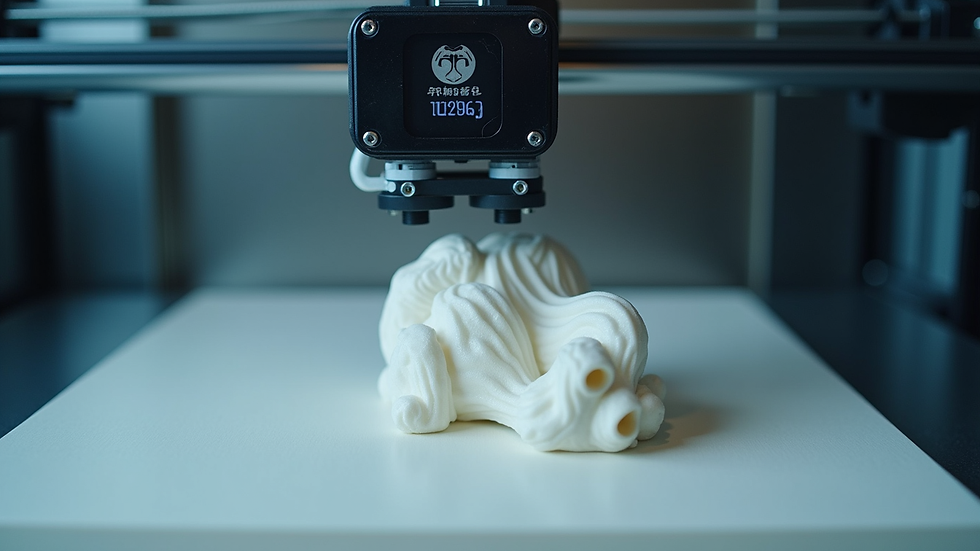
3D printing, also known as additive manufacturing, involves creating three-dimensional objects from a digital file. The process typically includes the following steps:
Designing the Model: Using computer-aided design (CAD) software, designers create a digital model of the object they wish to produce.
Slicing the Model: The CAD file is then sliced into thin horizontal layers using slicing software, which prepares it for printing.
Printing the Model: The 3D printer builds the object layer by layer, depositing material until the final product is complete.
Post-Processing: After printing, the model may require additional finishing touches, such as sanding or painting.
This process allows for a high degree of customization and complexity that traditional manufacturing methods often cannot achieve.
The Impact of 3D Printing on Design
Enhanced Creativity and Innovation
3D printing empowers designers to push the boundaries of creativity. With the ability to create intricate shapes and structures, designers can experiment with new ideas without the constraints of traditional manufacturing. For instance, architects can design complex building models that showcase unique features, while product designers can create ergonomic shapes tailored to user needs.
Rapid Prototyping
One of the most significant advantages of 3D printing is its ability to facilitate rapid prototyping. Designers can quickly produce prototypes to test form, fit, and function. This speed allows for:
Faster Iteration: Designers can make adjustments based on feedback and produce new prototypes in a fraction of the time it would take using traditional methods.
Cost Efficiency: Reducing the time and materials needed for prototyping lowers overall costs, making it feasible for startups and small businesses to innovate.
Customization and Personalization
3D printing enables mass customization, allowing companies to produce tailored products that meet individual customer preferences. For example, companies in the fashion industry can create bespoke clothing items or accessories that fit the unique measurements of each customer. This level of personalization enhances customer satisfaction and loyalty.

Applications of 3D Printing in Various Industries
Automotive Industry
In the automotive sector, 3D printing is revolutionizing the way vehicles are designed and manufactured. Companies like Ford and BMW are using 3D printing to create prototypes of car parts, allowing for faster testing and development. Additionally, 3D printing enables the production of lightweight components that improve fuel efficiency.
Healthcare Sector
The healthcare industry is also benefiting from 3D printing technology. Medical professionals can create custom prosthetics and implants tailored to individual patients. For example, 3D-printed dental implants can be designed to fit perfectly in a patient's mouth, improving comfort and functionality. Furthermore, bioprinting is an emerging field where living tissues and organs are printed for research and potential transplantation.
Aerospace Industry
The aerospace industry is leveraging 3D printing to produce lightweight, durable components for aircraft. Companies like Boeing and Airbus are using additive manufacturing to create parts that reduce overall weight, leading to improved fuel efficiency and lower emissions. The ability to produce complex geometries also allows for designs that were previously impossible with traditional manufacturing techniques.
Consumer Products
From toys to household items, 3D printing is making waves in the consumer products market. Companies can create unique designs that cater to niche markets, allowing for greater diversity in product offerings. For instance, custom phone cases, jewelry, and home decor items can be produced quickly and affordably, appealing to consumers looking for unique products.
Challenges and Limitations of 3D Printing
While 3D printing offers numerous advantages, it is not without its challenges. Some of the key limitations include:
Material Constraints: Not all materials are suitable for 3D printing. While plastics are commonly used, other materials like metals and ceramics can be more challenging to work with.
Surface Finish: The surface finish of 3D printed parts may not always meet the standards required for certain applications, necessitating additional post-processing.
Production Speed: Although 3D printing is faster than traditional methods for prototyping, it may not be as efficient for large-scale production runs.
The Future of 3D Printing in Design and Prototyping
As technology continues to advance, the future of 3D printing looks promising. Innovations in materials, printing techniques, and software are expected to enhance the capabilities of 3D printing, making it even more accessible and efficient. Some potential developments include:
Improved Materials: The development of new materials that offer better strength, flexibility, and durability will expand the range of applications for 3D printing.
Integration with AI: Artificial intelligence could play a role in optimizing designs for 3D printing, allowing for more efficient and effective production processes.
Sustainability: As environmental concerns grow, 3D printing may contribute to more sustainable manufacturing practices by reducing waste and enabling the use of recycled materials.
Conclusion
3D printing is revolutionizing the design and prototyping landscape, offering unprecedented opportunities for creativity, customization, and efficiency. As industries continue to explore the potential of this technology, we can expect to see even more innovative applications that reshape how products are developed and brought to market. Embracing 3D printing not only enhances the design process but also paves the way for a more sustainable and efficient future in manufacturing.
The journey of 3D printing is just beginning, and those who adapt to this technology will be at the forefront of the next wave of innovation. Whether you are a designer, engineer, or entrepreneur, now is the time to explore how 3D printing can transform your approach to design and prototyping.

Comments